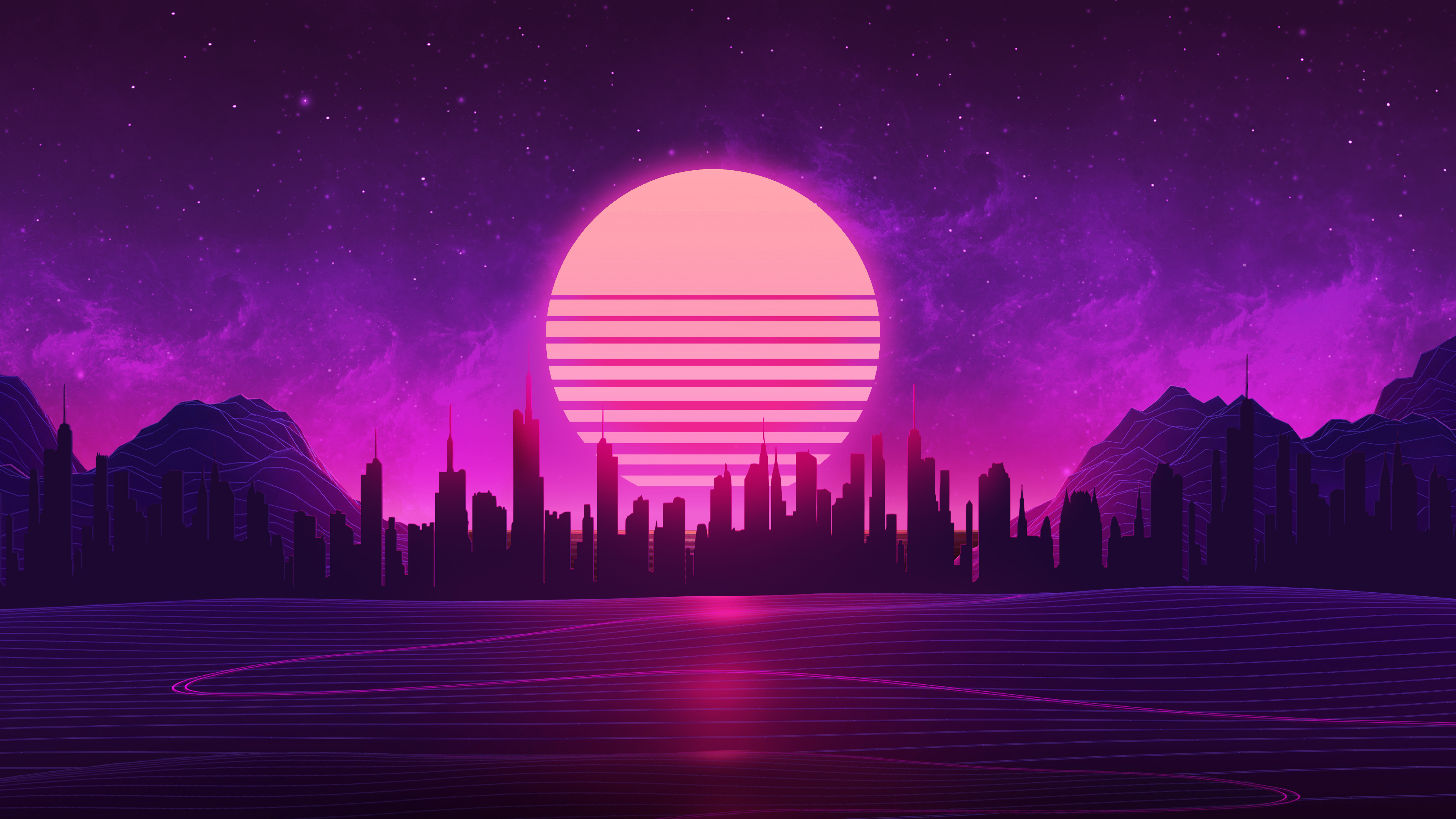
Summary of Pixel Art Techniques Pixel art is a digital art form where images are created and edited at the pixel level, emphasizing precision and minimalism. Key techniques include:
Pixel Placement: Every pixel is placed intentionally to define shapes, edges, and details clearly. Anti-aliasing: Manually blending colors along edges to create smoother transitions and reduce jagged lines. Dithering: Alternating pixels of two colors to simulate gradients or texture when color options are limited. Color Palette Control: Using small, cohesive palettes to maintain stylistic consistency and evoke retro aesthetics. Outlining: Employing clean outlines (often in darker tones) to separate elements and enhance readability. Shading & Lighting: Simplified light sources and limited shading steps to create depth while preserving clarity. Clustering: Grouping pixels of similar colors to reduce noise and make the image more readable. Animation: Using frame-by-frame techniques with minimal pixel changes to suggest motion smoothly. These methods combine to create sharp, expressive visuals reminiscent of early video games while maintaining a strong sense of design discipline.